
Introduction
The decentralized finance (DeFi) industry has reached a pivotal moment. With regulatory changes, growing institutional involvement, and varied project performances marking its current landscape, the field is both promising and complex. This comprehensive overview explores how regulatory initiatives aim to bring clarity while institutions drive DeFi’s adoption and innovation. In-depth analysis of these topics offers essential insights for DeFi enthusiasts, market analysts, and newcomers alike.
Tables of Contents
Chapter 1: Regulatory Milestones in DeFi: Navigating the New Age
- Navigating Stablecoin Regulations: A New Age for DeFi
Chapter 2: Navigating Regulatory Milestones in the DeFi Landscape
- Institutional Integration: The New Frontier in DeFi Regulatory Milestones
Chapter 1: Regulatory Milestones in DeFi: Navigating the New Age
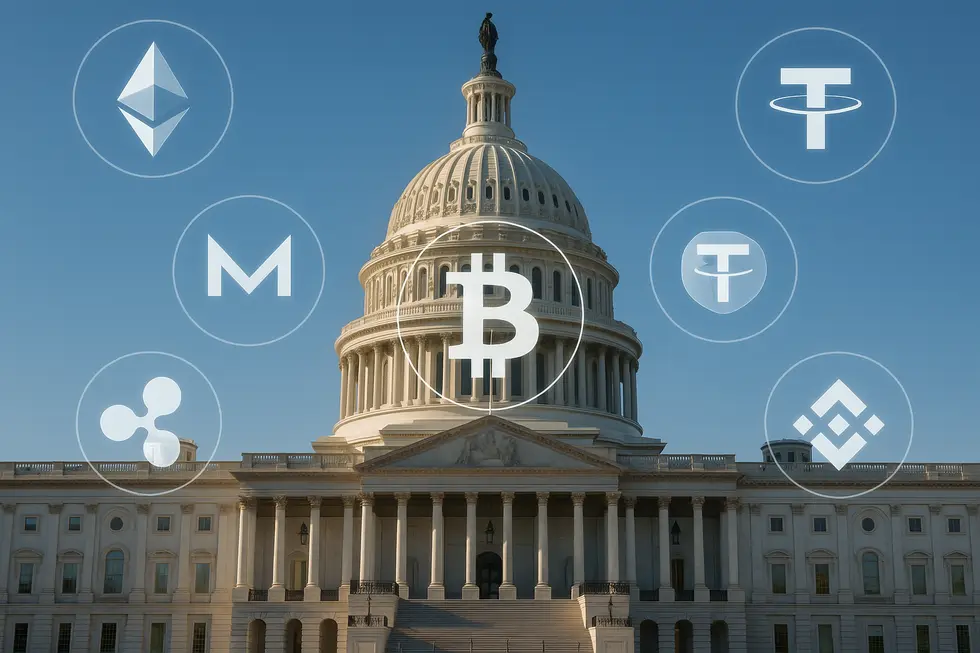
1. Navigating Stablecoin Regulations: A New Age for DeFi
The advent of comprehensive regulatory frameworks for stablecoins marks a significant chapter in the maturation of decentralized finance. As stablecoins cement their position as a cornerstone of the DeFi ecosystem, regulatory clarity becomes indispensable. In the United States, the legislative spotlight falls on two pivotal bills, the STABLE Act and the GENIUS Act, which collectively aim to instill much-needed stability and security within this sector.
The STABLE Act endeavors to impose licensing requirements and establish stringent reserve management criteria. Alongside it, the GENIUS Act intensifies oversight with a particular emphasis on consumer protection and national security. This legislation stipulates a rigorous framework for stablecoin issuers, requiring full reserve backing, regular audits, and adherence to anti-money laundering (AML) standards. By enforcing such measures, these acts set a precedent for operational transparency and fiscal solidity, providing a safety net for both users and institutions utilizing stablecoin technology.
The GENIUS Act is especially noteworthy for its focus on national security aspects. It mandates that issuers possess the technological capability to freeze or burn tokens following lawful orders, thereby coordinating sanction enforcement with the Treasury Secretary. Such provisions are designed to align the stablecoin sector with broader financial and security protocols, encouraging more banks and businesses to confidently engage in the DeFi ecosystem. For further insights into the GENIUS Act, readers can explore this analysis from Chainalysis.
Across the Atlantic, Europe has embraced the MiCA regulation. Coming into effect in mid-2024, MiCA provides a lucid legal structure for stablecoin operations by mandating that issuers maintain complete reserves and exhibit transparency standards akin to any traditional financial institution. This regulation empowers regulated financial bodies, like banks, to engage with stablecoin markets, promising a new era of trust and engendering stability within the DeFi landscape.
The establishment of these regulatory frameworks marks a profound shift in the DeFi environment, where legal clarity and consumer protection take precedence. As countries like the U.S. and those in Europe champion such regulatory milestones, they send a clear message: stablecoins are not only integral to DeFi’s evolution but are also to be held to rigorous standards paralleling those of traditional financial entities. These efforts represent a significant stride toward mainstreaming DeFi, ensuring that innovative financial solutions remain both secure and accessible to a global audience.
Chapter 2: Navigating Regulatory Milestones in the DeFi Landscape

1. Institutional Integration: The New Frontier in DeFi Regulatory Milestones
As decentralized finance (DeFi) continues to carve its niche in the financial ecosystem, the symbiotic evolution of institutional integration and regulatory advancements is reshaping this vibrant landscape. Bridging the gap between traditional finance and blockchain innovation is no longer a distant dream but a rapidly unfolding reality. This transformation is underscored by the strategic maneuvers of major asset managers like DeFi Technologies, which has set an ambitious revenue target of US$201.07 million for 2025. This move not only signifies growing confidence in DeFi’s integration into mainstream portfolios but also a calculated shift by institutions seeking to meld blockchain-native assets with conventional investment strategies.
Regulatory clarity is becoming increasingly pivotal in this equation. The debates within U.S. regulatory bodies such as the SEC and CFTC regarding the classification and oversight of digital assets highlight the complex landscape DeFi is navigating. For instance, the introduction of the U.S. Stablecoin Act in early 2025 represents a significant step towards legitimizing stablecoins within traditional financial systems. It provides clear guidelines and permits issuers to pay interest, adding a new dimension to stablecoin utility. Such developments have been positively received in the market, exemplified by Circle’s collaboration with Intercontinental Exchange (ICE) to integrate the USDC stablecoin into established trading platforms. The synergy between regulatory frameworks and market adoption signals a maturing DeFi sector that is poised for mainstream acceptance.
Globally, the regulatory landscape reflects a diverse patchwork of approaches, with Europe’s MiCA regulation leading efforts for harmonized oversight across the continent. However, regulatory discrepancies across jurisdictions present operational challenges, particularly for institutions with cross-border aspirations. The quest for a unified regulatory approach remains critical to mitigating risks like market fragmentation, which could drive activities offshore or stifle innovation. Recent trends in crypto regulation underscore the importance of international cooperation to foster a stable environment conducive to further DeFi integration.
Moreover, institutional interest is expanding beyond foundational crypto assets to encompass altcoins and DeFi protocols. The rising demand for diversified crypto products, such as Ethereum ETFs, coupled with the cautious introduction of permissioned DeFi platforms, reflects a strategic approach by institutions balancing risk and opportunity. These platforms, often compliant with existing regulations, offer a structured entry into the complex world of DeFi while ensuring robust oversight. The recent milestone of DeFi Dev Corp becoming the first publicly traded entity to own liquid staking tokens (LSTs) on Solana highlights this integration trend. It not only strengthens its position within the crypto-native sector but also signals growing institutional acceptance of innovative DeFi products, setting a precedent for others to follow in the ever-expanding DeFi universe.
Through these developments, it is evident that institutional integration, aligned with evolving regulations, is crucial for the sustainable growth of DeFi. As more traditional financial entities embrace these changes, the DeFi landscape is poised to achieve unprecedented levels of adoption and impact.
Final thoughts
As DeFi continues to evolve, bridging regulatory advancements with institutional growth underscores its transformational potential. This synergy will likely drive deeper integration into traditional finance, enhancing accessibility and innovation. Staying informed on these developments is crucial, promising a future where DeFi becomes a formidable aspect of global finance.
Protect your DeFi assets—read BitKnow.ai for the latest security alerts.
About us
BitKnow is a Southeast Asia-based Web3 media platform powered by AI-driven content creation and curation. Focused on delivering real-time crypto insights, project exposure, and educational storytelling, BitKnow combines automation with human editorial oversight to ensure fast, accurate, and engaging Web3 coverage.