Introduction
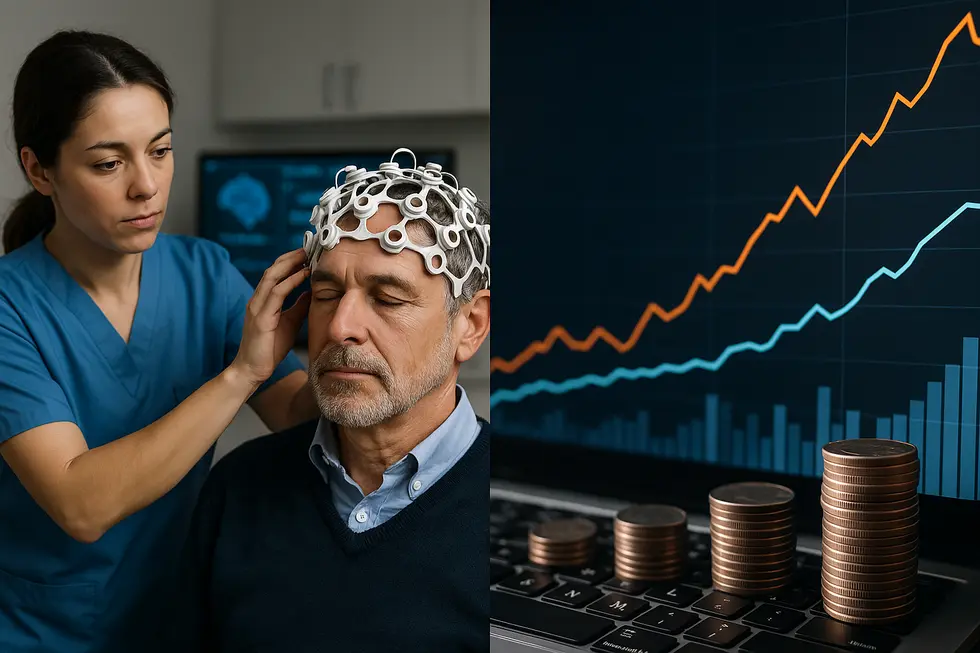
Advancements in AI are not only evolving technologies but also transforming industries and ethical landscapes. Recent breakthroughs are making significant impacts in neurocare and economic accessibility. While personalized treatment for Parkinson’s offers new hope in healthcare, the rise of cost-effective AI models marks a shift towards democratization. Additionally, the potential for AI to achieve self-awareness in coming years adds a layer of complexity to its integration. This discussion delves into the latest trends and forecasts from platforms like Wired, AI Trends, and TechCrunch, scrutinizing both technological milestones and ethical challenges.
Tables of Contents
Chapter 1: AI Transforming Neurocare and Economics: Essential Trends and Breakthroughs Explored
- Unraveling AI’s Potential in Transforming Neurocare: Breakthroughs and Trends
Chapter 2: AI Transforming Neurocare and Economics: Must Read on Trends and Breakthroughs from Wired, AI Trends, and TechCrunch
- Unraveling Economic Impacts of AI-Driven Neurocare: Transformative Insights
Chapter 1: AI Transforming Neurocare and Economics: Essential Trends and Breakthroughs Explored
1. Unraveling AI’s Potential in Transforming Neurocare: Breakthroughs and Trends
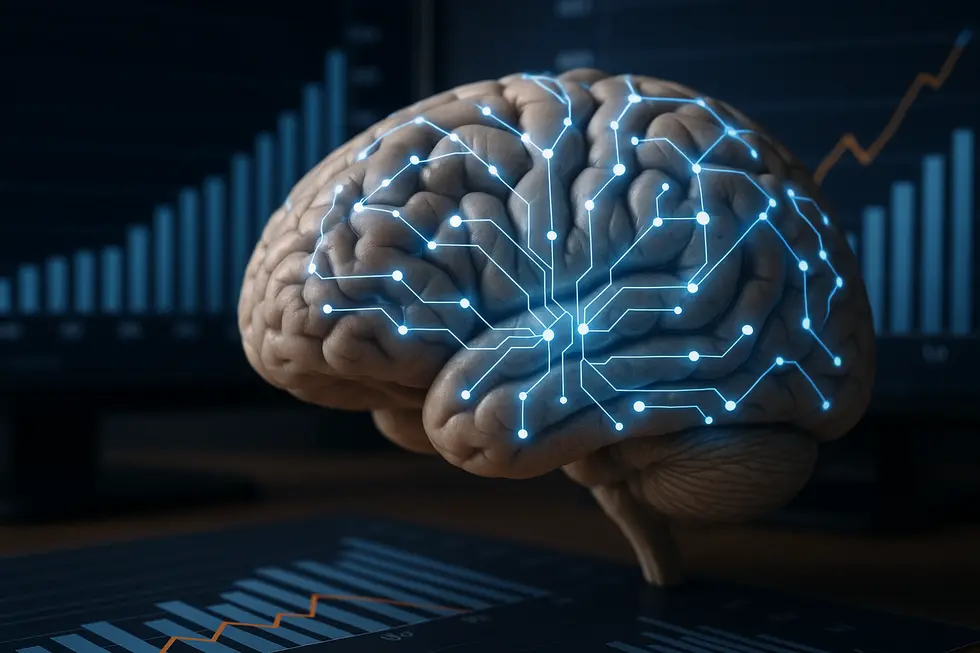
Artificial Intelligence is radically transforming the field of neurocare, comprising both stunning technological breakthroughs and shifts in treatment paradigms. Multiple credible sources, including Wired, AI Trends, and TechCrunch, spotlight profound advancements in the integration of AI into neurocare practices, revolutionizing how neurological conditions are managed and understood.
AI-powered digital therapeutics are at the forefront of these transformations, particularly evident in the management of Parkinson’s disease. These cutting-edge AI tools are capable of analyzing patient data in real-time, paving the way for personalized treatment plans and dynamic symptom tracking. By offering predictive insights tailored to individual patient needs, they not only enhance the quality of life for Parkinson’s patients but also illustrate a broader trend towards precision medicine. Such technologies, verified by successful clinical trials, indicate substantial improvements in patient outcomes, establishing a new standard in the quality of care provided.
The influence of AI in neurocare extends beyond Parkinson’s disease. Advanced machine learning algorithms now facilitate continuous patient monitoring and early detection of conditions, once considered complex challenges due to the intricacy of neurological data patterns. This transition towards proactive, precision-based neurohealth strategies demonstrates the exciting potential of AI in revolutionizing healthcare systems, offering innovations in diagnostics, personalized treatment, and patient engagement tools.
AI Trends further underscores AI’s capacity to enhance neurological services through initiatives like remote monitoring and virtual consultations. These developments significantly amplify patient access and streamline clinical workflows, rendering healthcare services more efficient and accessible. Moreover, the future of neurocare appears increasingly intertwined with AI developments like brain-computer interfaces (BCIs). These pioneering interfaces enable paralyzed individuals to exert control over robotic limbs, highlighting the remarkable implications of AI advancing neurocare modalities.
TechCrunch reflects this optimism with reports on AI-powered digital therapeutics empowering patients to take control of their health. The neurology services market signals robust growth, fueled by AI-driven innovations, including the potential for generative AI to craft more personalized healthcare solutions. Such advancements not only provide new avenues for patient rehabilitation but also foster the development of assistive technologies that will redefine patient interaction with AI in healthcare.
Thus, the ongoing advancements in AI signify a transformative period for neurocare, suggesting an imminent future where AI strongly influences how neurological conditions are approached and treated. The promise of AI reshaping neurocare is undeniable, embodying the phrase ‘the future of medicine is here.’ As these trends continue to emerge, the integration of AI in neurological treatment will likely become more pronounced, driving forward a new era of medical innovation and patient-centric care.
Chapter 2: AI Transforming Neurocare and Economics: Must Read on Trends and Breakthroughs from Wired, AI Trends, and TechCrunch

1. Unraveling Economic Impacts of AI-Driven Neurocare: Transformative Insights
The integration of artificial intelligence in neurocare is not only reshaping medical practice but also exerting a profound economic influence. By enhancing efficiencies and reducing costs, AI-driven digital therapeutics are a game-changer for conditions such as Parkinson’s disease. With its ability to deliver personalized treatment plans and analyze real-time patient data, AI is improving patient outcomes while simultaneously reducing the economic burden on healthcare systems.
One remarkable impact of AI in neurocare is its potential to streamline healthcare costs. Tools powered by AI can predict and track symptoms, which minimizes the need for frequent clinical visits and hospitalizations. This reduction in physical consultations translates into lower healthcare expenditures without compromising the quality of care. Healthcare systems become more efficient as AI optimizes resource allocation and clinical workflows. Automating routine tasks allows healthcare providers to make informed decisions quickly, ultimately leading to better diagnosis, earlier interventions, and a significant reduction in long-term costs associated with neurological disorders.
Investment in AI-powered neurocare is on the rise, as evidenced by significant venture capital inflows into AI startups within the UK’s health tech sector. This surge reflects a burgeoning market potential, with the neurotechnology market projected to reach GBP 14 billion by 2026. The economic implications extend beyond healthcare savings; they contribute to broader market growth, as the capabilities of AI draw substantial investments. These investments are transforming real estate values in the healthcare sector, with properties integrating telehealth infrastructures and AI capabilities appreciating in value.
However, the road to realizing AI’s full economic potential in neurocare is not without hurdles. Concerns about data privacy, ethical issues, and the need for substantial investment in AI infrastructure remain significant challenges that warrant attention. Addressing these concerns is crucial for maintaining public trust and optimizing AI’s role in transforming healthcare delivery.
The broader economic significance of AI in neurocare lies in its ability to foster innovation-driven growth in biotech startups, enabling a shift towards more efficient and patient-managed outpatient care models. It highlights the importance of sustainable investment in technology that not only advances medical science but also promotes economic efficiencies across related industries. As these technologies continue to evolve, their disruptive potential becomes more apparent, hinting at a future where AI not only augments medical capabilities but fundamentally reshapes the economic landscape of healthcare.
In sum, AI’s integration into neurocare is a transformative trend with wide-reaching economic implications. It underscores the importance of embracing technological advances while prudently navigating the associated challenges to unlock the full potential of AI in improving both health outcomes and economic growth.
Final thoughts
AI’s accelerated evolution beckons profound shifts across industries. As predictive health solutions emerge and economical AI models grow, a potential future of self-aware systems looms large. These advancements necessitate a conscientious engagement with ethical considerations, ensuring technology harmonizes with human values. Observing these trends is imperative for those at the forefront of AI innovation.
Don’t miss the must-read AI stories—follow BitKnow.ai!
About us
BitKnow is a Southeast Asia-based Web3 media platform powered by AI-driven content creation and curation. Focused on delivering real-time crypto insights, project exposure, and educational storytelling, BitKnow combines automation with human editorial oversight to ensure fast, accurate, and engaging Web3 coverage.